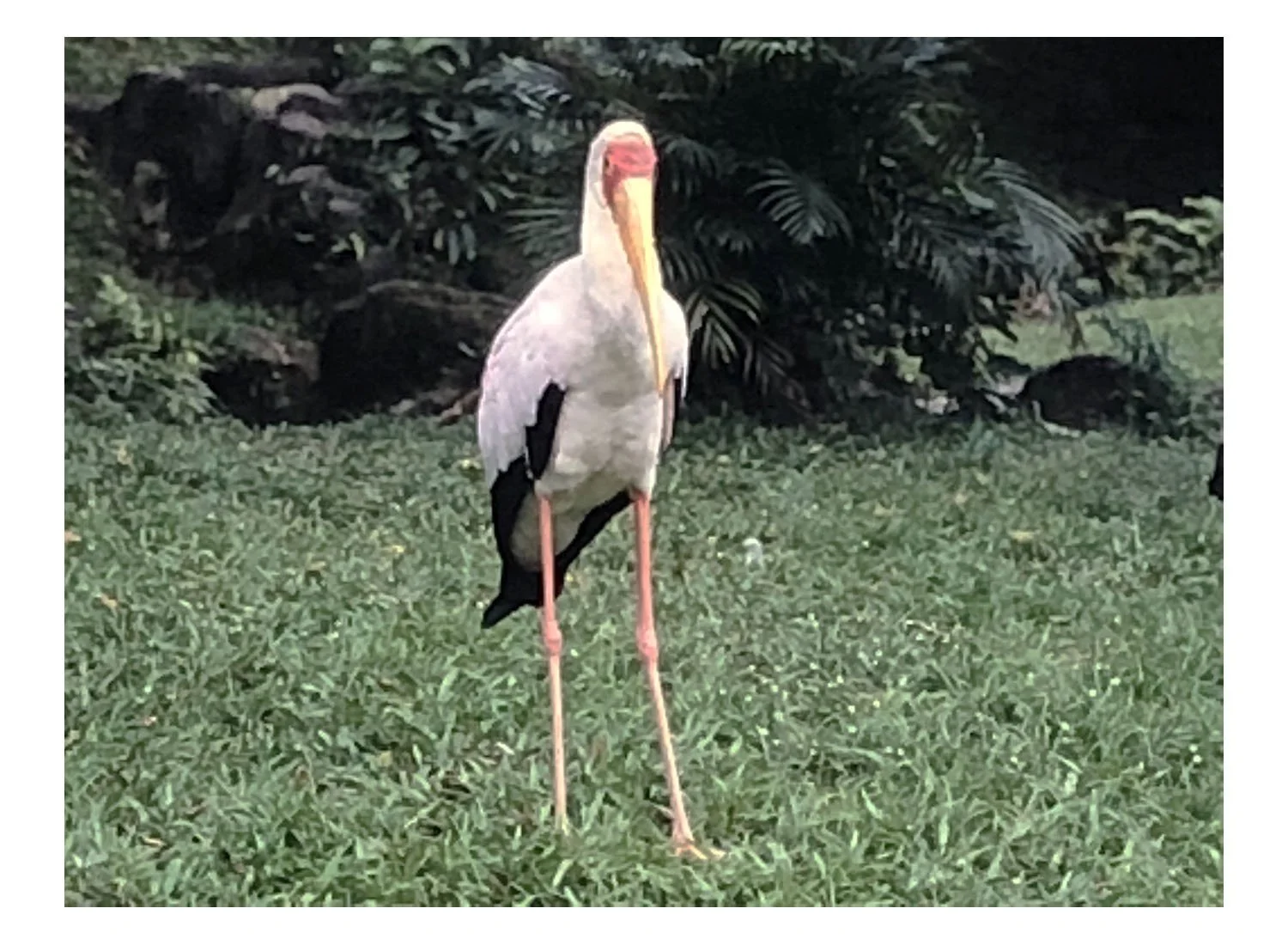
The Stork
The origins of Tai Chi are often traced to the Daoist hermit Zhang Sanfeng, said to have lived between the 12th and 14th centuries. According to legend, inspired by observing a crane and snake in combat, Zhang developed a martial art emphasizing softness, balance and internal energy.
I recall many years ago seeing a stork in a minaret and its nest three. It was a lasting impression, and the bird is beautiful. The legend to do with Tai Chi had more to do with the snake as it out monuvered the snakes attacks and a crane is not a stork but they look similar . In the early 1980’s later I saw a demonstration from Master Mantach Chi introducing Thai Chi and explaining its very effective and somewhat cruel fighting applications. With one movement able to brake a persons arm, dislocate and a shoulder and braking a persons spine.
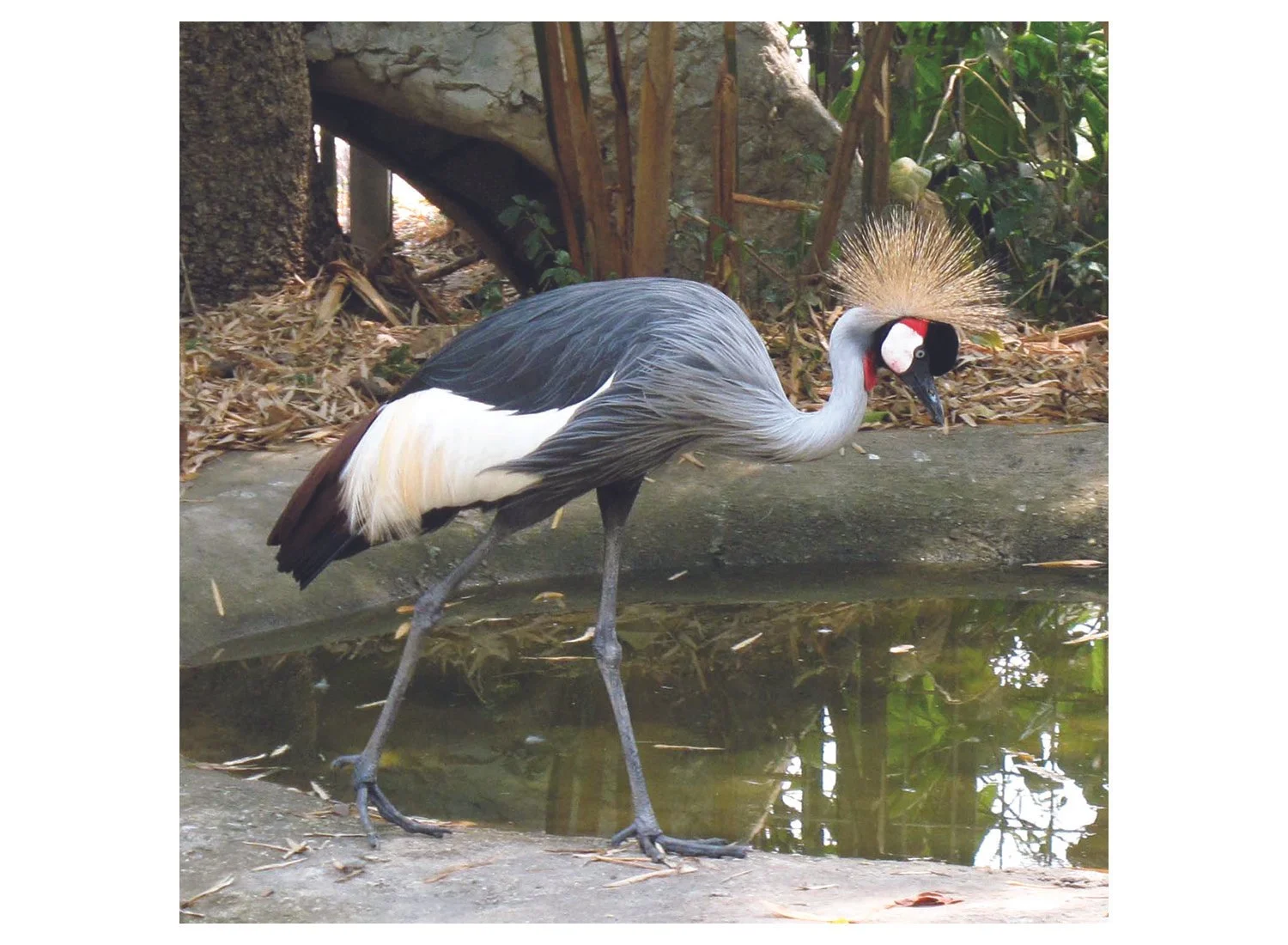
Grey Crowned Crane
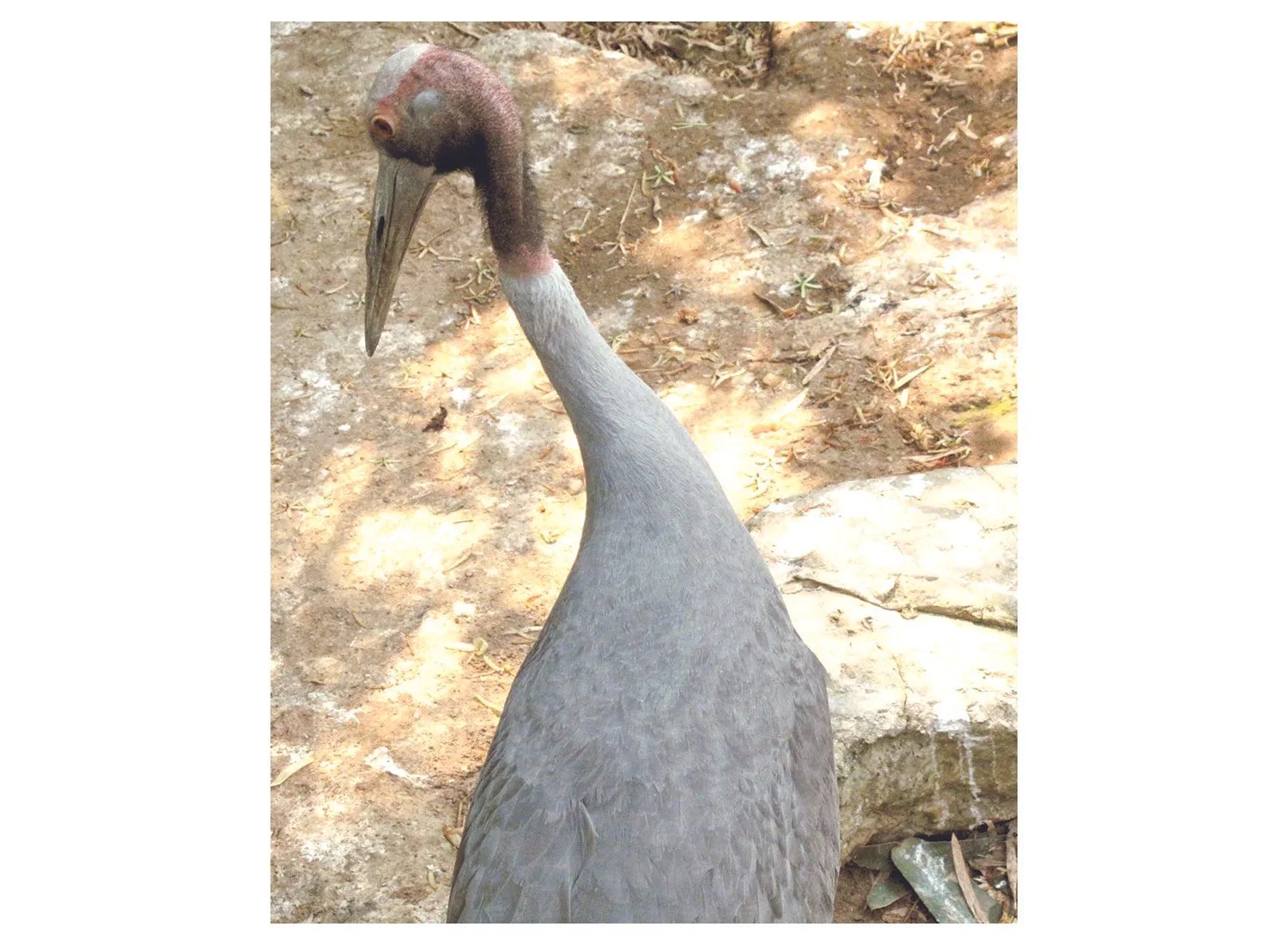
Sarus Crane
The crane is also exemplified in other martial arts systems.
Cranes and storks have similar physical characteristics of long necks and legs. However, they differ in height, weight, and wingspan.
Storks have wider wingspans. On average, storks have wingspans that are as wide as 10.5 feet. But the wingspan of a crane measures about 7.9 feet on average.